
Cardiovascular disorders are the leading cause of death worldwide. They have become a widespread ailment, which has something to do with the moment we live in. We frequently work too much, sleep too little, consume unhealthy foods, and fail to exercise regularly. Often, we are unaware that our bodies are sending us signals. Unfortunately, many people disregard or fail to recognize the signals. Heart disorders can generate a variety of symptoms. The following is a list of 30 warning indicators of a major cardiovascular disease. If this is the case, you should see a doctor right away.
Fatigue
Fatigue is not simply caused by a lack of sleep; it can also be an indication of heart disease. In the event of a cardiac arrest, the volume of blood is reduced, requiring the heart to work harder. As a result, one gets exhausted both during the day and at night. So, if you realize that you are weary all of the time for no apparent cause, you should see a doctor. Fatigue may also be a symptom of another sickness.

Fatigue
Fainting
The occurrence of frequent fainting is undoubtedly unusual. If you have it frequently, you should consult a cardiologist right once because it could be a symptom of heart trouble. Intense physical exertion, pain, or dehydration can all cause loss of consciousness. There are numerous causes, however, it can also be a symptom of cardiac disease. This is frequently connected with a drop in blood pressure, which causes a lack of oxygen in the blood, which causes fainting. You should take it seriously and see a doctor right away.

Fainting
Rapid Weight Gain
Anyone who has recently gained a lot of weight should consider whether it is due to eating too much or if it is an indicator of cardiac disease. Fluid buildup in the body is one of the symptoms of heart disease. This causes swelling and flatulence, which manifests as weight gain. If you experience this symptom, it is a good idea to keep track of what you consume on a daily basis. This is how you can identify if the increase is due to diet or not.

Rapid Weight Gain
Nausea And Loss Of Appetite
Nausea, indigestion, and loss of appetite might potentially indicate a high risk of heart disease. If this is a new issue, it is best to monitor it and, if required, visit a doctor. The heart is not always the source of the problem; other diseases, such as gastritis, can also cause identical symptoms. It can, however, be a symptom of pregnancy. The doctor is the most knowledgeable.

Nausea And Loss Of Appetite
Irregular Heartbeat
Palpitations can be caused by a variety of factors. Often, it is the result of an adrenaline rush or a change in mood. Anyone who believes their heartbeat is frequently erratic, on the other hand, should seek medical attention immediately. Arrhythmia is the medical name for an irregular heartbeat. It is critical to address the situation seriously because an arrhythmia can lead to a stroke if left untreated. If you develop this symptom, you should see a doctor.

Irregular Heartbeat
Persistent Coughing
A persistent cough can be aggravating. Many people may not take this seriously, but coughing for an extended period of time can suggest heart trouble. When the heart is having difficulty delivering blood to the body, it can enter the lungs and cause a chronic cough. If you have a cough that produces sputum, you should pay close attention to the color. Pink-white sputum should be handled with caution. If the cough worsens at night after sleeping down, this is another indicator of heart trouble.

Persistent Coughing
Cold Sweat
Cold sweats are a body’s warning indicator. Sweating is normally used by the body to maintain its temperature. Sweating causes the heart to work harder and pump more blood via the arteries. Anyone who frequently experiences cold chills should see a doctor as soon as possible. Cold sweats can be caused by a variety of conditions, including heart illness, infection, cancer, or neurological disorder. Cold sweats can also be caused by medication or stress.

Cold Sweat
Swelling Of The Legs
Swollen legs are both inconvenient and uncomfortable. It’s not unusual, especially during the summer. However, if you frequently experience swelling legs, you should be aware that this could be a symptom of a cardiac condition. Fluid retention is a common cause of edema. The legs and feet are frequently the most impacted since they are the furthest away from the heart and where blood circulates initially. If the swelling does not subside or worsen, you should contact a doctor right once.

Swelling Of The Legs
Sleeping Disorder
Sleep disturbances are often curable and non-harmful. A cardiac condition, on the other hand, can be the culprit in many cases. As a result, it is critical to handle insomnia seriously because it can lead to a variety of disorders. It is recommended that persons who have difficulty falling or staying asleep see a doctor. Difficulty breathing during sleeping may suggest the presence of fluid in the lungs. Palpitations are frequently caused by chest pain.

Sleeping Disorder
Inflammation of the gums
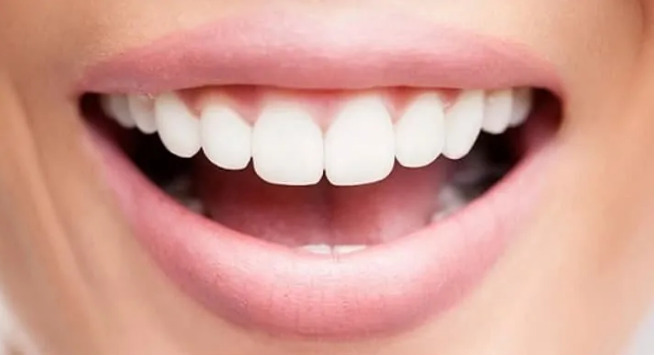
Gingivitis is usually not a cause for concern. However, if the discomfort in the mouth worsens, it should be evaluated by a dentist. Heart disorders are frequently to blame. It begins with an irritated palate, which is an indication of batteries in the bloodstream. Blood clots can be caused by bacteria. Many people are unaware that dental and cardiovascular health are frequently intertwined. Because dental health can affect the entire body, it is critical to have your teeth evaluated on a regular basis.
Inflammation of the gums
Snoring
You usually don’t even realize you’re snoring. Only those who are close to you notice it. The medical word for it is sleep apnea. It’s not unusual these days. The heart beats normally for a brief moment before stopping. Those who are affected do not notice anything, which is why it is critical to be cautious and to see a doctor as soon as possible rather than later. A heart condition can be treated if it is detected early.

Snoring
Pain In The Upper Body And Arms
When there is a pain in the upper torso and arms, the immediate thought is that there is tension. It can, however, be an indication of a heart attack. The agony of a heart attack does not start at a set time. Depending on the affected location, the pain usually radiates to the left, but it can also radiate to the right arm. The discomfort is frequently felt in your mouth or back. The symptoms of a heart attack are frequently more difficult to detect in women than in men.

Pain In The Upper Body And Arms
Shortness Of Breath
Many people believe that being overweight has something to do with their shortness of breath. It does not, however, have to be. If you find yourself short of breath despite not doing anything particularly strenuous, this could be an indication of a panic attack or a heart attack. If the airways and the cardiovascular system are not working in harmony, it can be an indication of existing or potential heart disease. In this instance, the lungs are depleted of air, making breathing difficult.

Shortness Of Breath
Chest Pain
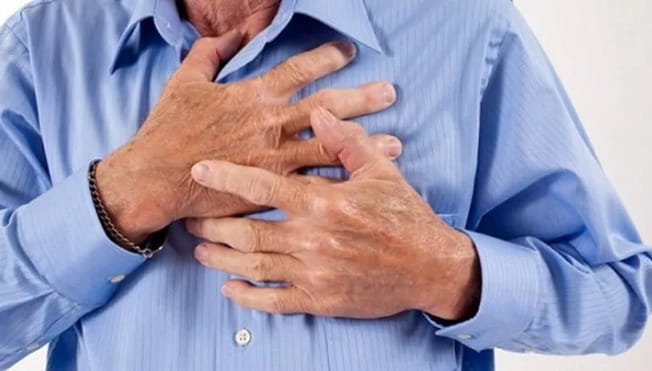
One of the traditional warning indicators of heart disease or a heart attack is chest pain. If the pain is accompanied by difficulties breathing, proceed with extreme caution. If the pain comes on suddenly and without warning, go to the emergency room right away. The pains are distinct. Tightness or scorching pain is also possible. If the symptoms come while you are resting and linger for a few minutes, you may be experiencing a heart attack. It is critical to get medical assistance right away.
Chest Pain
Open Wounds On The Feet
Open wounds should always be addressed because they can quickly get infected. If the wounds or ulcers do not heal on their own or are difficult to heal, special care should be required. This could be an indication of aortoiliac illness. It is aortic stenosis. Ischemia, or a decrease in blood and oxygen delivery to tissues, can result from this condition. This can result in tissue death and, in the worst-case scenario, amputation of a limb. Open wounds should always be addressed because they can quickly get infected. If the wounds or ulcers do not heal on their own or are difficult to heal, special care should be required. This could be an indication of aortoiliac illness. It is aortic stenosis. Ischemia, or a decrease in blood and oxygen delivery to tissues, can result from this condition. This can result in tissue death and, in the worst-case scenario, amputation of a limb.

Open Wounds On The Feet
Pain In The Toes
Toe pain may appear to be innocuous at first, but it is not. If you feel pain in your toes when you are resting and it is not due to tight shoes, you should investigate the cause. It is also a symptom of aortoiliac occlusive disease. The best thing to do is to discuss your symptoms with your doctor and rule out a cardiac condition. This is the only option to treat a severe sickness in a timely manner.

Pain In The Toes
Cramps In The Thighs And Buttocks
Cramps are frequently caused by a magnesium shortage. Cramping can occur as a result of cold or severe, strenuous effort. However, it is frequently accompanied by a heart problem. To be on the safe side, if you have significant pain or cramping in your thighs, buttocks, or calves when walking, you should consult a doctor. According to the University of Pittsburgh Medical Center, it might potentially be an indication of aortoiliac occlusive disease (UPMC). A doctor can provide assurance in this situation.

Cramps In The Thighs And Buttocks
No Hairgrowth On The Legs
A lack of or inadequate development of hair on the legs can be an indication of peripheral arterial disease. This is a cardiovascular illness in which plaque accumulates in the arteries, reducing blood flow to the limbs. According to the McLeod Health Service in South Carolina, one indication of this is hair loss on the legs. If you notice that your hair is abruptly falling out, this could be an indication of heart problems.

No Hairgrowth On The Legs
Sputum When Coughing
Coughing with sputum on a regular basis might be an indication of an illness. It is determined by the color of the sputum. A pinkish-white tint could suggest a buildup of fluid in the lungs. According to the American Heart Association, it is a common warning symptom of heart disease. Often, it is only a cold, but to be certain, you should see a doctor. They will conduct tests to determine the source of the discomfort and rule out the worst-case scenario.

Sputum When Coughing
Interrupted Sleep
If you wake up frequently at night to use the restroom, try not to drink too much before going to bed, but keep an eye on the situation. If the situation does not improve, a doctor should be sought. An increased desire to urinate is an indication of heart failure, according to the Mayo Clinic. You should not ignore this and instead go to the doctor for a check-up to rule it out.

Interrupted Sleep
Chest Discomfort
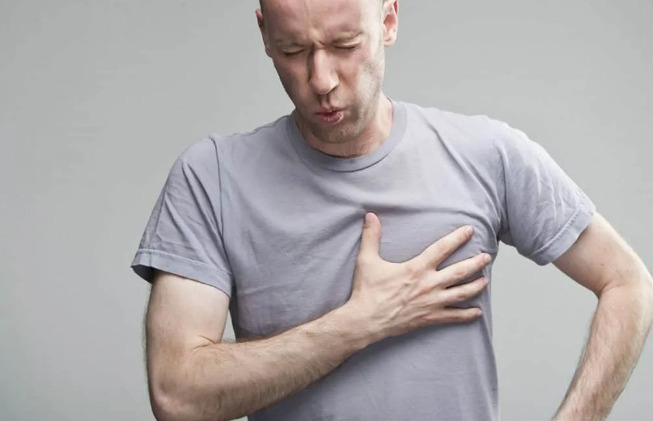
Several factors can contribute to chest discomfort. Reflux, for example, after eating fatty foods. However, if the chest pain persists, it may be a sign of an approaching heart attack. Instead of waiting for the pain to go away on its own, the American Heart Association suggests that you consult a doctor or even go to the emergency department as a precaution. It is easy to miss the warning signals of a heart attack, and treatment is frequently delayed.
Chest Discomfort
Erectile dysfunction
For males, erectile dysfunction can be quite distressing. A cardiac condition can be one of the causes of erectile dysfunction. According to Harvard Medical School, an erection necessitates an increased blood supply. When the arteries become calcified, blood flow is disrupted. If you or your partner suffers from erectile dysfunction, it is critical to see a doctor. He will recommend you to a professional if necessary. Other diseases can be ruled out if treated in a timely manner.

Erectile dysfunction
Confusion And Forgetfulness
There are numerous causes of forgetfulness and bewilderment. According to the American Heart Association, variations in sodium levels can be caused by various substances in the blood. This causes confusion as well as memory loss. Malnutrition, tiredness, and a lack of vitamins and minerals can all contribute to the issue. Of course, it is preferable to rule out heart problems and visit a doctor, as only he can do the required tests to rule out or avert worse.

Confusion And Forgetfulness
Sleep Apnea
There are numerous causes of forgetfulness and bewilderment. According to the American Heart Association, variations in sodium levels can be caused by various substances in the blood. This causes confusion as well as memory loss. Malnutrition, tiredness, and a lack of vitamins and minerals can all contribute to the issue. Of course, it is preferable to rule out heart problems and visit a doctor, as only he can do the required tests to rule out or avert worse.

Sleep Apnea
Panic Attacks
Because the symptoms of a heart attack and a panic attack are so similar, they are frequently confused. Both manifest as malaise, shortness of breath, panic, chest tightness, and sweating. Increased heart rate, dizziness, and physical weakness are additional symptoms of a heart attack and a panic attack. It is critical to emphasize that this is not a heart attack. A competent medical diagnosis can aid in the treatment of the condition, whether it is a panic attack or something else.

Panic Attacks
Sudden Tenderness In The Breast
Chest pressure and pain may indicate an approaching heart attack. You may experience a dull, uncomfortable sensation in your chest if you have atrial fibrillation. If you get this feeling, you should see a doctor as soon as possible. People who have atrial fibrillation are more likely to have a stroke. You should not spend any time and should act as soon as feasible. Even if the problem occurs infrequently but recurs, you should see a doctor.

Sudden Tenderness In The Breast
Difficulty Of Breathing
This is a critical symptom if you have difficulty breathing, especially when you are resting. Because the muscles are relaxed when at rest, breathing should be painless. If you experience breathing difficulties when sleeping, lying down, or even performing mild activities, you should see a doctor as soon as possible. According to the American Heart Association, heart disease can occur when blood accumulates in veins because it cannot flow in any other direction. This causes fluid in the lungs and, as a result, heart difficulties.

Difficulty Of Breathing
Sudden Migraine
Migraines are no longer rare. Migraines, on the other hand, might have a variety of reasons. Many people are unaware that migraines might be an indicator of heart problems. This type of pain may indicate a stroke or a blood clot. If you are experiencing vomiting and dizziness in addition to the pain, there is no time to waste and you should go to the emergency department right away. Every second matters in this situation.

Sudden Migraine
Back Pain
Sadly, many people today suffer from back pain. It is now a truly widespread disease. Some people, however, are unaware that back pain can be an indicator of cardiac trouble. If the pain is in the lower or upper back, or if it begins in the chest, it could be an indication of a heart attack. The symptoms and indicators are harder to notice in women than in men. Only a doctor can truly help you, whether you have heart disease or an orthopedic problem.
Diet is very crucial in preventing a heart attack! Continue reading to learn which meals can help to build your body and protect you from a heart attack.

Back Pain
Coffee
We recognize that many individuals don’t feel quite ready for the day if they don’t have a cup of Joe first thing in the morning. Fortunately, studies have shown that regular coffee consumption can help prevent coronary heart disease, strokes, and heart failure! You now have a good reason to go to your favorite coffee shop.

Coffee
Cranberries
Everyone knows how refreshing and sweet cranberries are when added to juice recipes, but few people are aware that the fruit is high in antioxidants and nutrients. Another superfruit that may help to lower the risk of heart disease. Furthermore, cranberries can help prevent stomach ulcers, urinary tract infections, gum disease, and cancer. Even more, incentive to stock up on this delectable superfruit!

Cranberries
Figs
Everyone knows how refreshing and sweet cranberries are when added to juice recipes, but few people are aware that the fruit is high in antioxidants and nutrients. Another superfruit that may help to lower the risk of heart disease. Furthermore, cranberries can help prevent stomach ulcers, urinary tract infections, gum disease, and cancer. Even more incentive to stock up on this delectable superfruit!
Figs
Flax Seeds
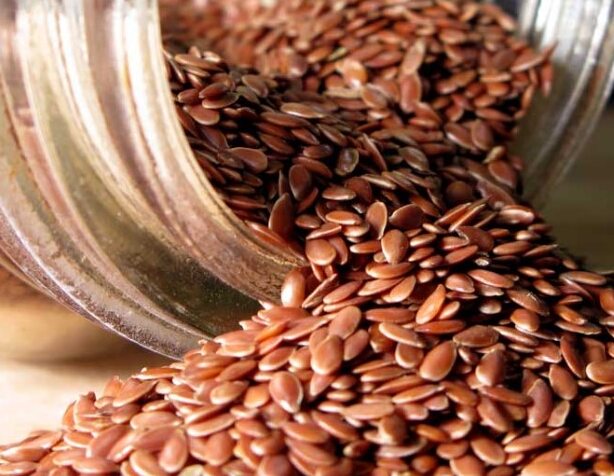
These seeds are high in omega-3 fatty acids, also known as “healthy fat.” People who don’t like fish or nuts don’t have to worry about getting enough omega-3 because they may eat flax seeds, which are high in it. Put a spoonful of flax seeds in your smoothies, fruit bowls, and salads to reap the benefits of the superfood’s nutrients, antioxidants, and estrogen.
Flax Seeds
Red Hot Chili Peppers
The red hot chili peppers are on the list not because of the rock band, but because the feisty little vegetables contain capsaicin, which can help decrease cholesterol levels and blood pressure. Consuming entire raw peppers will surely assist boost heart health, but you should reconsider. The guy in the photo below attempted it, but things did not go well for him…

Red Hot Chili Peppers
Ginger
This is fantastic news for ginger enthusiasts. This cooking spice offers more than simply its delicious aroma and flavor. According to research, it can also help your heart health. Regular eating of ginger appears to reduce the chance of developing high blood pressure and coronary heart disease. Furthermore, ginger tastes fantastic in sushi, so you won’t feel bad if you eat a lot the next time you visit your favorite Japanese restaurant.

Ginger
Grapefruit
Grapefruit is more than simply a refreshing flavor and scent; the wonder fruit is also packed with nutrients! It is high in vitamin C, potassium, lycopene, fiber, and choline. That’s right — eating grapefruit on a regular basis can undoubtedly boost your cardiovascular health. Furthermore, grapefruit is a component of the DASH diet, which is a diet designed specifically to decrease blood pressure.

Grapefruit
Green Tea
Do you want anything to quench your thirst? Then, sip some green tea, a superb superfood with strong antioxidant levels. The potent chemical aids in the prevention of plaque accumulation in artery walls. Aside from that, drinking green tea can help to lower triglycerides, cholesterol, and LDL in the body.

Green Tea
Kidney Beans
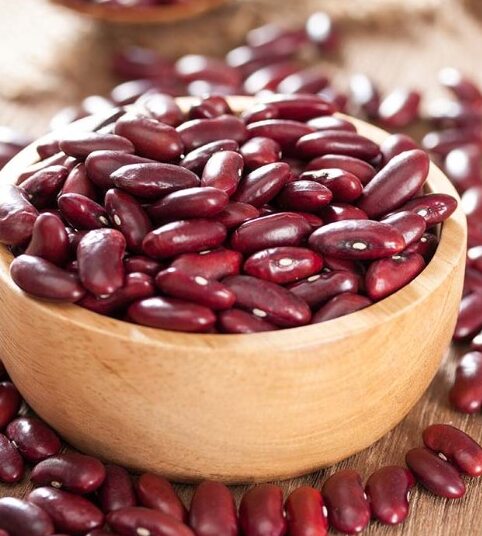
Add some kidney beans to your stews and soups to make them more flavorful! Kidney beans, in addition to adding a unique flavor, are ideal additions since they are low in fat and high in fiber, which helps enhance heart health and memory. They are also high in vitamins and minerals including as magnesium, folate, and protein. Other health benefits of kidney beans include lower homocysteine levels and a lower chance of developing diabetes, heart disease, stroke, peripheral vascular disease, and cancer.
Kidney Beans
Oranges
You can begin your new health routine by purchasing some oranges. They not only relieve your thirst in a delicious and refreshing way, but they are also high in vitamin C, minerals, and fiber. The fruit is also high in potassium, which flushes sodium from the body, decreases blood pressure, and aids in the neutralization of proteins that are damaging to the heart. Oranges’ high pectin content aids in the absorption of cholesterol from the food you eat.

Oranges
Kale
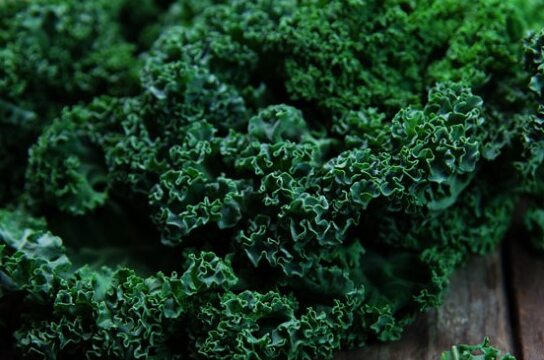
This vegetable may not be the easiest to find, yet it is one of the cabbage family’s most hearty members. Your efforts in obtaining the vegetable will be rewarded because it has a variety of nutrients that can enhance heart health. In case you didn’t know, kale is good for your heart because of its fiber, antioxidants, and omega-3 fatty acids. Furthermore, it has a low calorie and fat content, making kale an excellent addition to any meal! Millennials have fallen in love with kale, and it’s possible that they’re onto something.
Kale
Garlic
Garlic has grown in popularity due to tales that it repels vampires, but few people are aware of its heart-healthy benefits. It has long been used to enhance the flavor of numerous dishes, and studies have shown that it can also help keep your heart healthy. Garlic, among other things, helps to lower blood pressure, prevent blood vessel constriction, and reduce plaque accumulation in arteries. If you don’t like the flavor of garlic, you can take it as a pill!

Garlic
Red Wine
You can now breathe a sigh of relief because you don’t have to fully eliminate alcohol from your diet. Moderate drinking of red wine aids in the improvement of your heart’s condition. Including wine in your meal or having a glass of it can lead to more flexible blood arteries, which can help reduce blood clot development. Aside from these benefits, red wine can help lessen the risk of coronary heart disease and enhance HDL levels. Who are we to disagree with medical specialists who recommend this?

Red Wine
Chocolate
And here’s some more good news straight away. Chocolate isn’t without its benefits. The advantage, however, comes from the cocoa content. This suggests that the darker the chocolate, the lower the risk of stroke. Furthermore, the psychological benefit should not be overlooked. Happiness hormones are released by chocolate! The quantity, like with all treats, is what matters.

Chocolate
Lentils
Lentils not only enhance the flavor of every recipe they are added to, but they also have health advantages. A diet high in lentils, beans, and other legumes has been shown in studies to reduce the risk of heart disease and stroke. Furthermore, lentils are high in protein, potassium, and magnesium, which make the bean useful in lowering blood pressure, cholesterol levels, and the danger of blood vessel plaque accumulation.

Lentils
Almonds
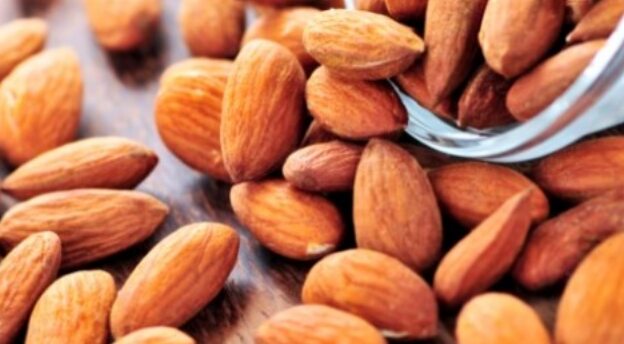
We’re not sure about you, but almonds are one of our favorite foods. This nut also has a lot of nutrients that can help you improve your cognitive capabilities and lower your risk of heart disease and diabetes. A handful of almonds can help lower cholesterol, inhibit the absorption of bad LDL cholesterol, and minimize the risk of cardiovascular disease.
Almonds
Pomegranates
Do you want to add a refreshing twist to your salad, shake, or smoothie? Then, don’t forget to pick up some pomegranate. The fruit contains a high concentration of antioxidants, which protects your artery walls from plaque development and lowers your risk of heart disease. Consuming this superfood has been demonstrated in studies to help prevent diabetes, strokes, Alzheimer’s, and prostate cancer. Furthermore, it improves the health of your liver, joints, teeth, and skin.
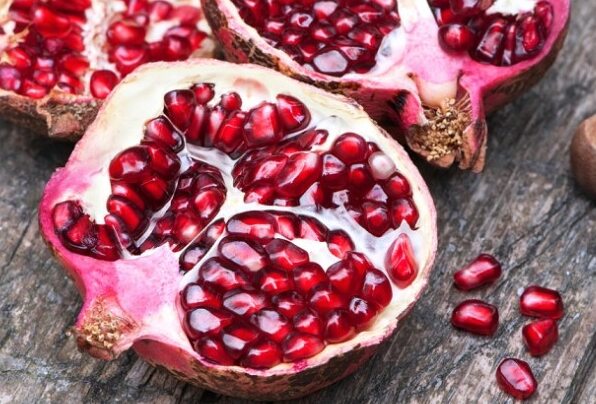
Pomegranates
Blueberries
Blueberries, in case you didn’t know, are high in minerals and antioxidants. Three servings of the fruit and other berries each week, according to research, can help lower blood pressure, reduce cholesterol buildup, and erase plaque development on artery walls. The delectable fruit also aids in the prevention of heart disease and cancer.

Blueberries
Beets
Beets are colorful, crisp, and flavorful salad toppers that are also high in vitamins, minerals, and antioxidants including betaine and the B-vitamin folate. Did you know that beets can help lower your homocysteine levels? The superfood is on this list because it helps lessen the risk of heart disease and has other superpowers such as avoiding infections and strengthening other organs.

Beets
Salmon
Everyone appears to enjoy referring to salmon as their favorite fish! This isn’t surprising given how great it goes in salads, sushi, and just about any other cuisine you can imagine of. Salmon is high in omega-3 fatty acids and other elements. The’sea chicken’ is effective at lowering triglyceride levels, loosening constricted blood arteries, preventing blood clots, and preventing cardiovascular disease.

Salmon